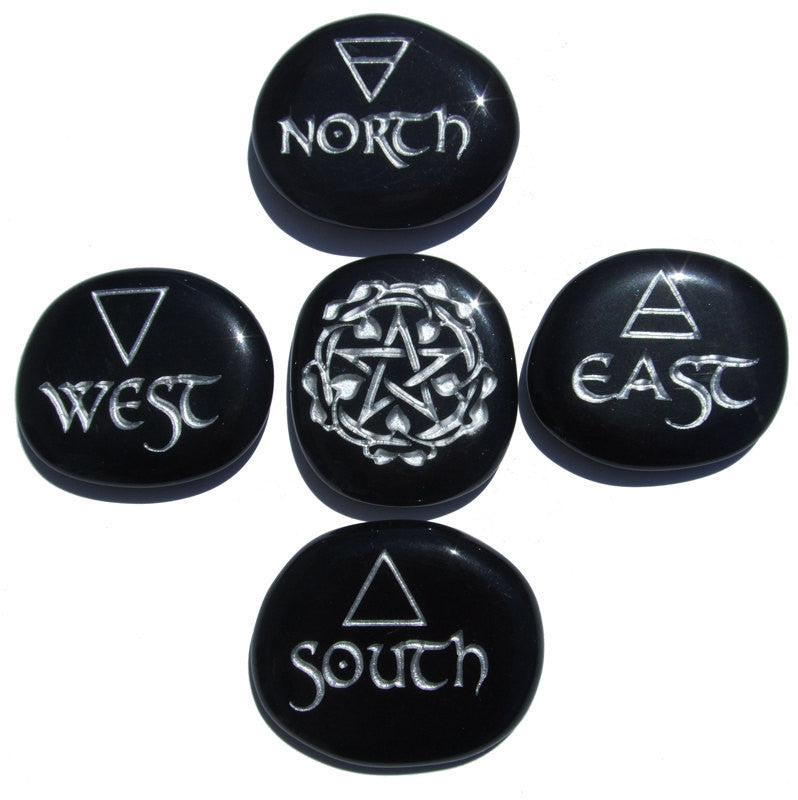
Altar
Plates
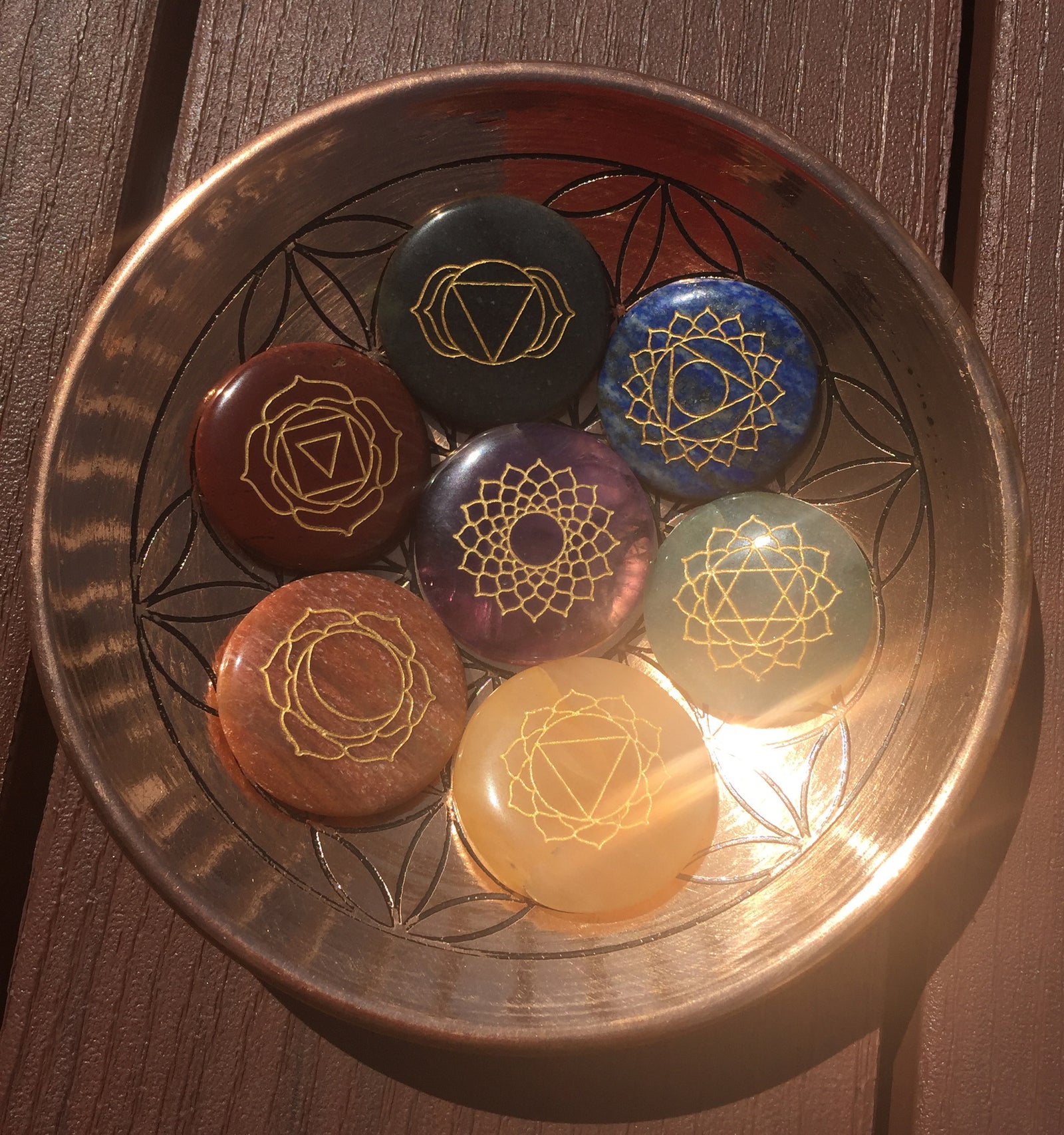
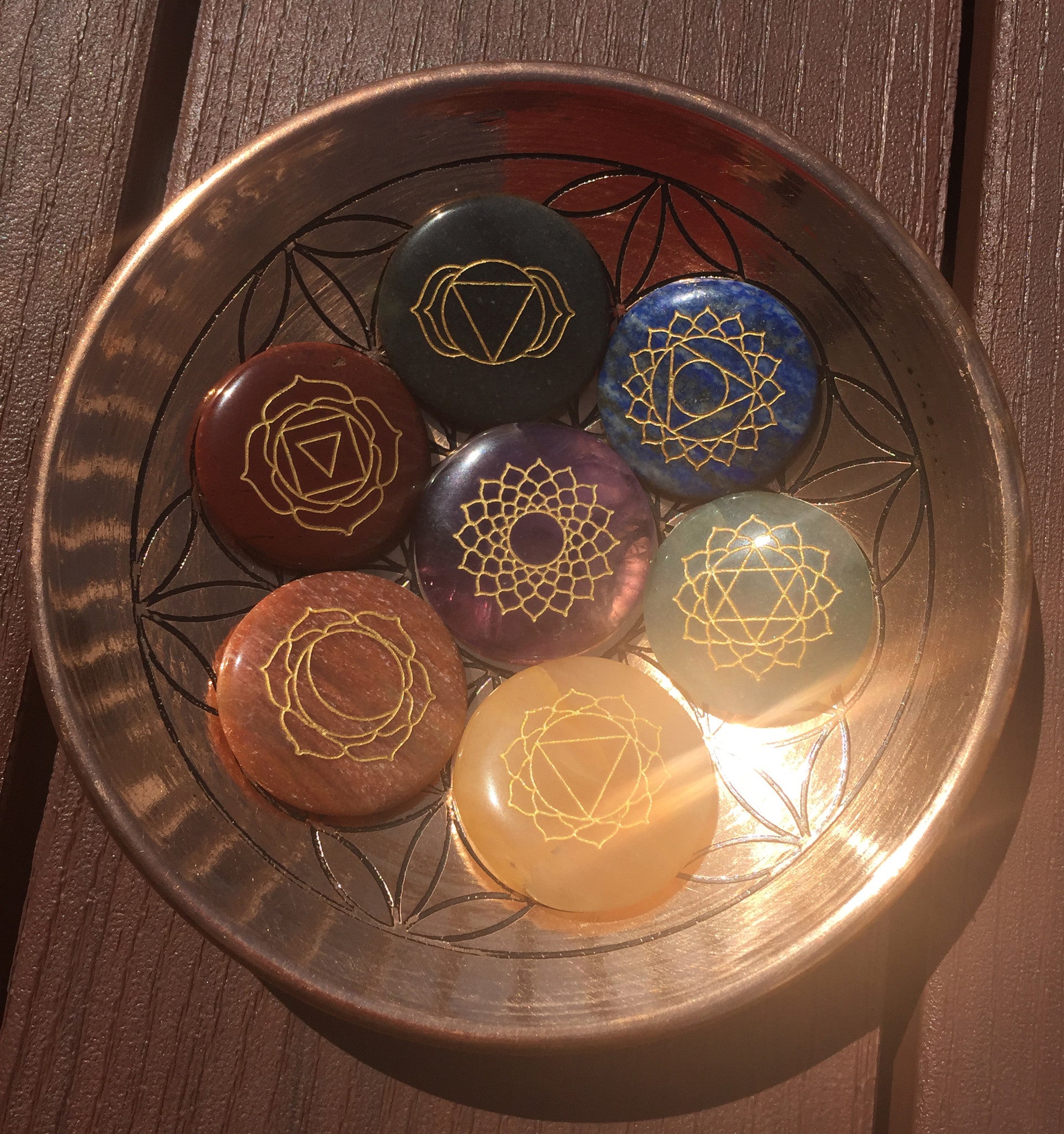
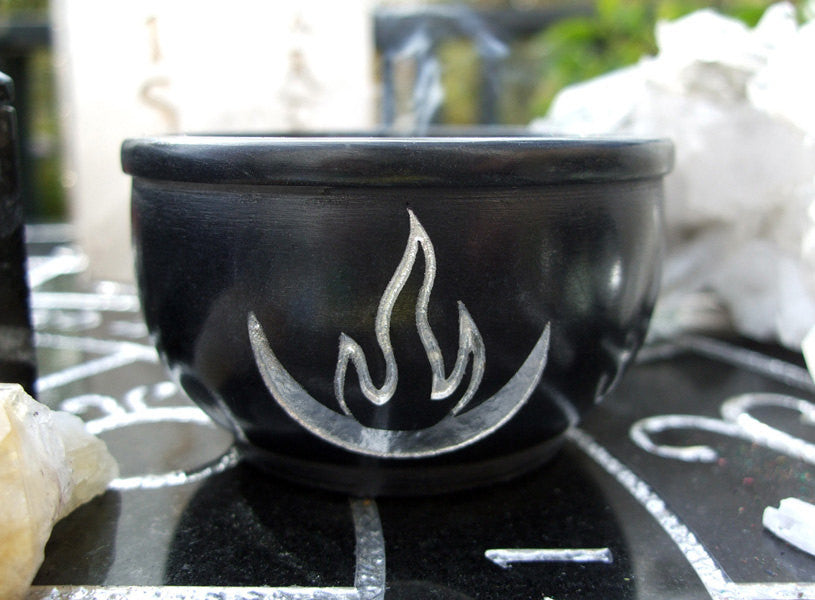
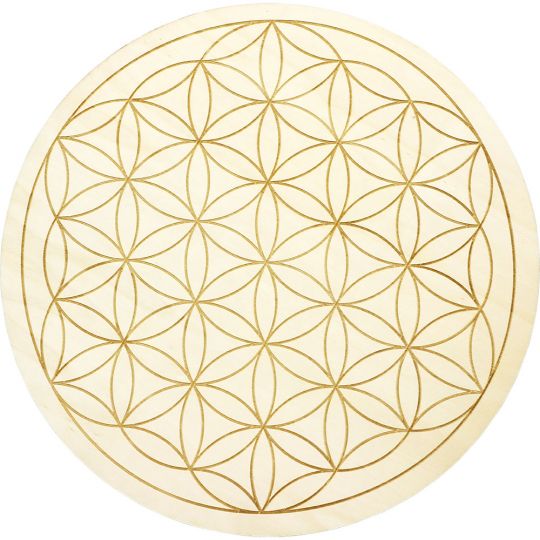
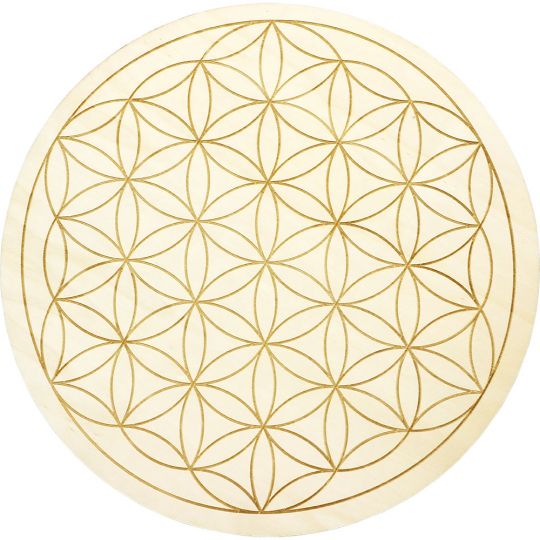
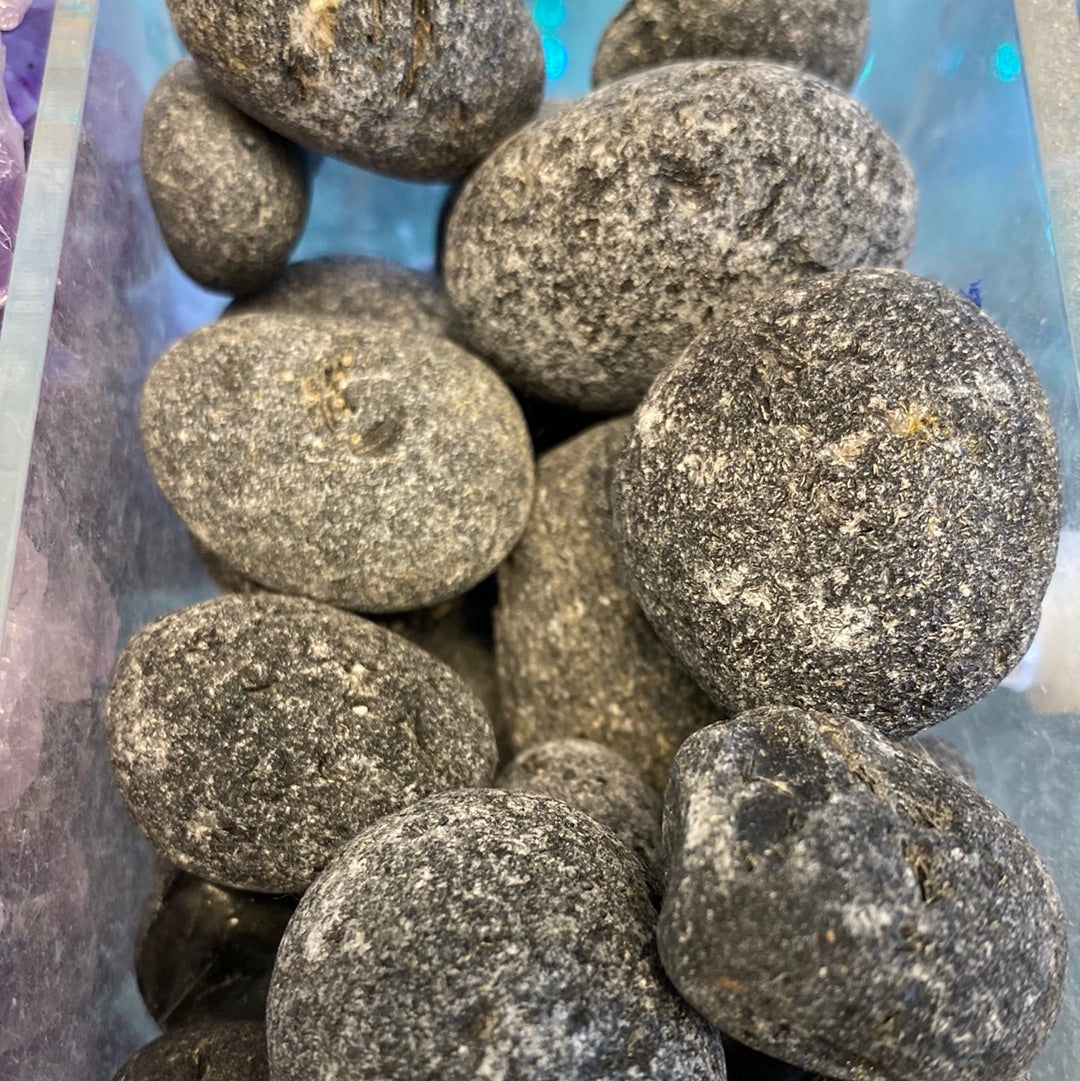
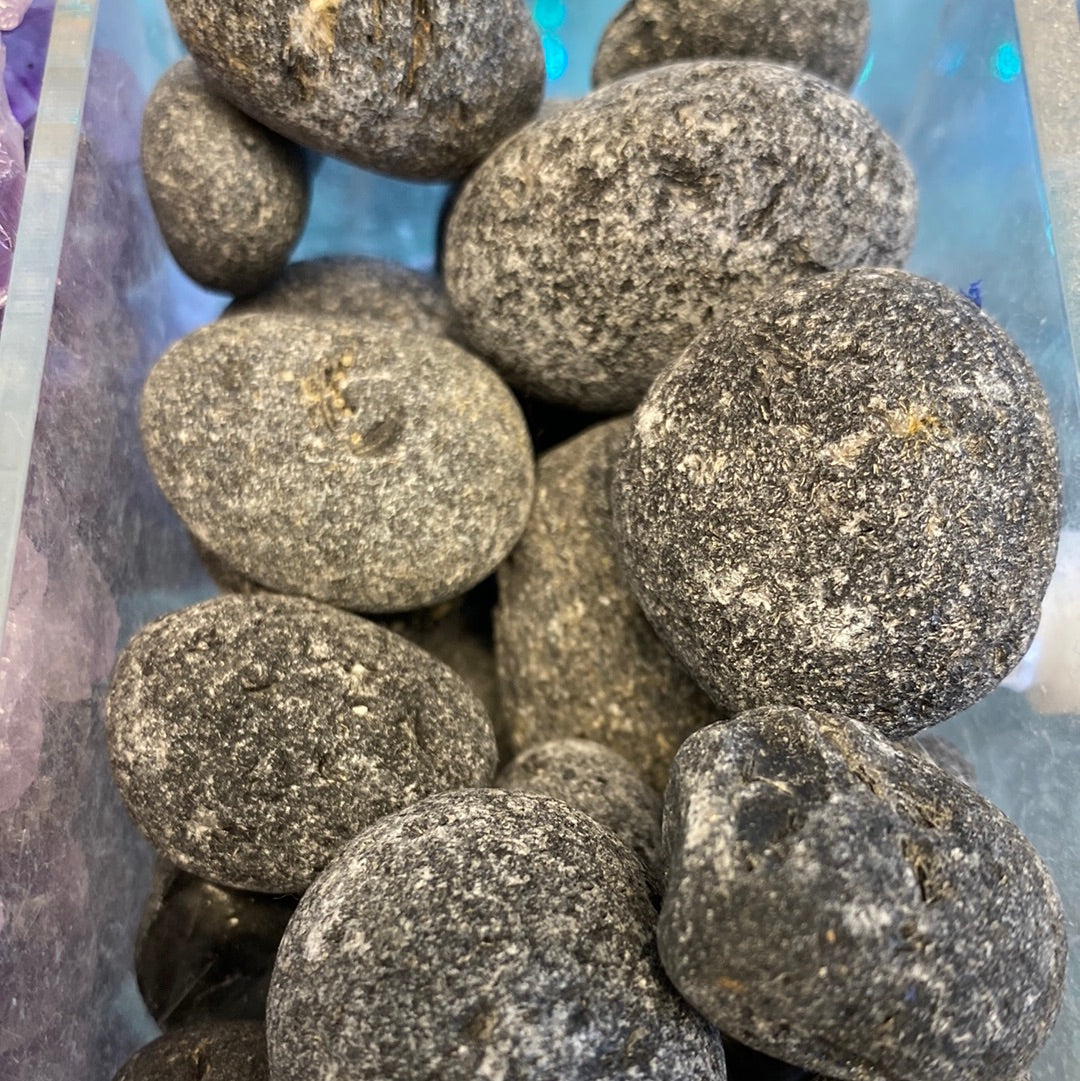
Stunning, round 12" Orthoceras Atlar Offering Plate, carefully
Engraved with the Pagan Wheel of the Year and finished with Silver
Leaf.

Escavated in Morocco, Orthoceras is a fossil from the Silurian
Period dating from 440-395 Million Years Ago! The Orthoceras were
among the most advanced of the invertebrates and one of the earliest
forms of life on our planet. This Plate has an Ancient presence
about it, it is primitive and raw, but emits an old, wise vibration.
Orthoceras has a Black Background with White, Silver Fossils gleaming
thoughout. The Fossils themselves have Comet and Lunar Eclipsal
like shapes to them. What better way to pay Homage to our Deities
than by using such an Ancient and Energy drawing Item!
The Sabbats illustrate our Reliance on the Cycle of Seasons for
our Existance, and help us to understand our relationship between
the Goddess and the God, and the Earth on which we live. The Solstices
and Equinoxes, determines at least four of the Sabbats as the astronomical
renewings of the seasons. The other four Sabbats have their origins
in ancient folk festivals. Imbolc, Beltane, Lughnassad and Samhain
were based on animal and agricultural festivals.

Pagan Wheel of the Year offering Plate
239.00 Each sale!
184.99
Yule
Northern Hemisphere Date: December 20-23rd
This is the winter solstice, it marks the start of the New Year
in Norse and Roman times. Norse for "wheel." as it is
a symbol that the year has turned. The Goddess gives birth to a
son, the God, at Yule. Yule is a time of the greatest darkness and
is the shortest day of the year. Since the God is also the Sun,
this marks the point of the year when the Sun is reborn as well.
Thus, Pagans light fires or candles to welcome the Suns´s
returning light. The Goddess, slumbering through the winter of Her
labor, rests after Her delivery. To comtemporary Pagans/Wiccans
it is a reminder that the ultimate product of death is rebirth.
--Pronounced the way it looks, but more like "yool" and
less like "yewl."
Imbolc/Candlemas
Northern Hemisphere Date: February 2nd
Imbolc marks the recovery of the Goddess after giving birth to the
God. The lengthening periods of light awaken Her. The God is a young,
lusty boy, but His power is felt in the longer days. The Earth begins
to feel this warmth, marking a return to the months of Spring. It
originated in Ireland as a holy day for Brighid (pronounced "breed"),
the Great Mother Goddess, who was in the form of a bride for the
returned Sun God. Imbolc is also known as Imbolg, Candlemas; Feast
of Torches, Oimelc, Lupercalia and Brigid´s day. --Pronounce
this one "IM-bullug" or "IM-bulk" with a guttural
"k" on the end. Irish Gaelic for "in the belly."
and Oimelc (pronounced EE-mulk), which means "ewe's milk"
in Scots Gaelic.
Ostara/Spring Equinox
Northern Hemisphere Date: March 20-23rd
Ostara, or Spring Equinox marks the first day of true spring. The
Goddess blankets the Earth with fertility, bursting forth from Her
sleep, as the God stretches and grows to maturity. On Ostara the
hours of day and night are equal. Light is overtaking darkness.
Symbols of Ostara include eggs and rabbits. Ostara is the Saxon
name for a maiden goddess of spring, loosely connected to Astarte
and Ishtar. --Pronounced "o-STAHR-uh." Other names include
Eostre (say "OHS-truh" or "EST-truh").
Beltane/Walpurgis
Northern Hemisphere Date: May Eve April 30th
Beltane marks the emergence of the young God into manhood. Stirred
by the energies at work in nature, He desires the Goddess. They
fall in love, lie among the grasses and blossoms, and unite. The
Goddess becomes pregnant of the God. The Wiccans celebrate the symbol
of Her fertility in ritual. The flowers and greenery symolize the
Goddess; the May Pole the God. Beltane marks the return of vitality,
of passion and hopes consummated. Irish Gaelic for either "fires
of Bel" or "bright fires." Other names are Walpurgisnacht
(vawl-PUR-gis-nahkt) and May Day. --Pronounced like it looks --
"BELL-tane" but if you want to try it in Gaelic, you can
say "bee-YAWL-tinnuh" or "BELL-tinnuh."
Litha/Summer Soltice
Northern Hemisphere Date: June 20-23rd
Norse or Anglo-Saxon for "longest day." The powers of
nature reach their highest point. The Earth is awash in the fertiliry
of the Goddess and God. Bonfire's representing the Sun, were lit
to rouse love, purification, health, and fertility. Also known as
Midsummer, it is a classic time for magic of all kinds. --Pronounced
just like it looks, or you can try for a Scandinavian sound and
say "leetha" with the "th" more like a "t."
Lughnassad/Lughnasadh/Lammas
Northern Hemisphere Date: August 1st
Lughnassad is the time of the first harvest, when the plants of
spring wither and drop their fruits or seed for our use as well
as to ensure future crops. Mystically, so too does the God lose
His strength as the Sun rises farther in the South each day and
the nights grow longer. The Goddess watches in sorrow and joy as
She realizes that the God is dying, and yet lives on inside Her
as Her child. Bread is baked in honour of the first reapings of
the grain harvest. Lughnasadh is Irish Gaelic for "festival
of Lugh" (a major Irish deity) Lunsa is Anglo-Saxon for "festival
of the loaves" ("hlaf-mass") --Pronounced "LOO-nah-sah.",
the Scots dialect says it "LOO-nah-soo." Lammas is just
like it looks, "LAH-mus."
Mabon/Autumn Equinox
Northern Hemisphere Date: September 20-23rd
Mabon is the completion of the harvest begun at Lughnassad. Once
again day and night are equal, poised as the God prepares to leave
His physical body and begin the great adventure into the unseen,
toward renewal and rebirth of the Goddess. Nature declines, draws
back its bounty, readying for winter and its time of rest . The
Goddess nods in the weakening sun, though fire burns within Her
womb. She feels the presence of the god even as He wanes. --Pronounced
"MA-bon" with the "a" like in "mass."
or "May-bone" However, most Wiccans and Pagans say "MAY-bon."
Samhain/Hallows Eve
Northern Hemisphere Date: October 31st
Irish Gaelic for "summer's end." At Samhain, Pagans say
farewell to the God. This is a temporary farewell. He isn´t
wrapped in eternal darkness, but readies to be reborn of the Goddess
at Yule. Samhain is a time of reflection, of looking back over the
last year, of coming to terms with the one phenomenon of life over
which we no control - death. Pagans feel that on this night the
separtion between the physical and spiritual realities is thin.
We remember their ancestors and all those who have gone before.
--Pronounced "Sahm-hayn", The standard Irish pronunciation
is "sow-in" with the "ow" like in "cow."
Other pronunciations include "sow-een" "shahvin"
"sowin" (with "ow" like in "glow").
The Scots Gaelic spelling is "Samhuin" or "Samhuinn."
There is no linguistic foundation for saying "samhane"
the way it might look if it were English. When in doubt, just say
"Hallows" or even "Hallowe'en."
Which brings us around to Yule again in the wheel of the year...
This piece is one of a kind. Hours worth of work have been placed
into this item. It is all hand engraved, then delicately painted
so that each engraving is filled with Silver Lining, not over painted,
outside the engravings. Pictures cannot capture the beauty and magickal
qualities that emanate from the power that this item draws in. Plates
vary from round to octagon.
Cast A Stone © & Reiki Stones © Copyright 2002-2010
All Rights Reserved!
About
us/ policies
/contact
us/mail-in
form